TO FOLLOW
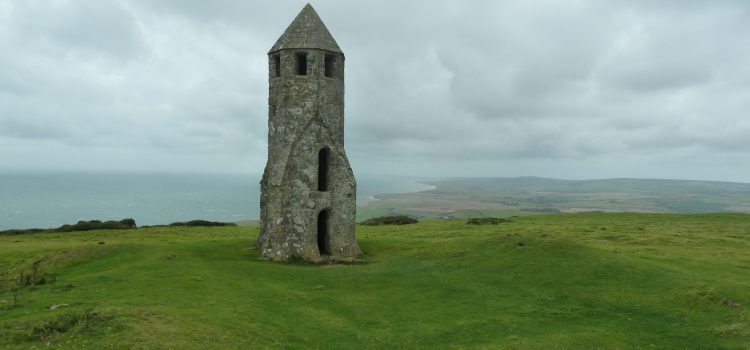
St Catherine’s Oratory, Isle of Wight

You can visit all these historic places in Hampshire for free!
TO FOLLOW
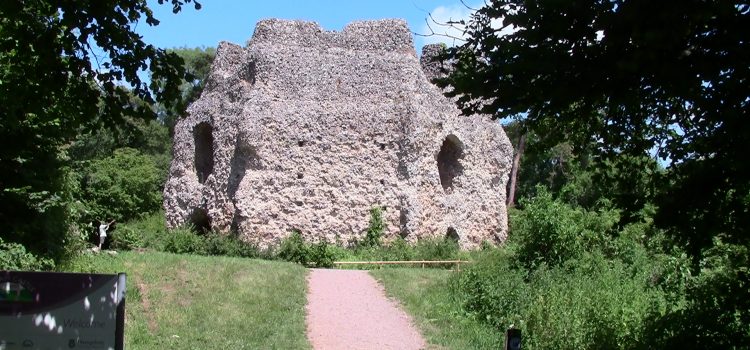
Odiham Castle sits next to the picturesque Basingstoke Canal, and was built by King John in the 13th century. It was primarily used by King John as a hunting lodge. The castle has been subjected to a siege, was the
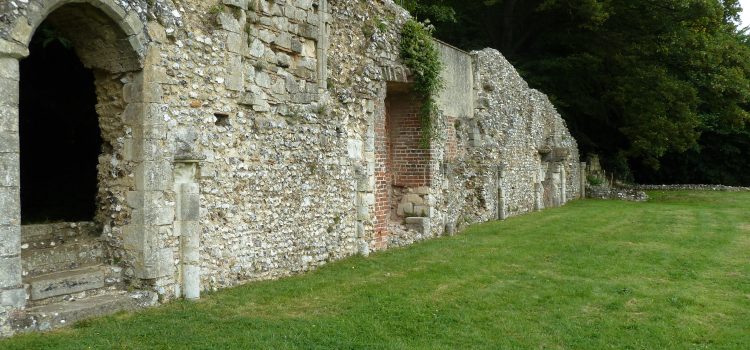
The ruins at Southwick Priory are quite limited with a wall dating from mid 12th century and some ground level remains, surrounded by woodlands. The priory was originally founded in 1133, on the orders of Henry I, in the grounds
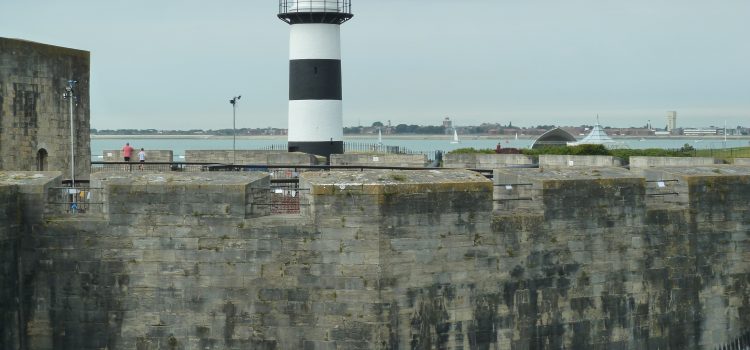
Southsea Castle was built in 1544 on the orders of Henry VIII. Henry feared an attack on Portsmouth from the French. Southsea Castle was one of a series of forts built along the coast. Henry VIII watched from Southsea Castle
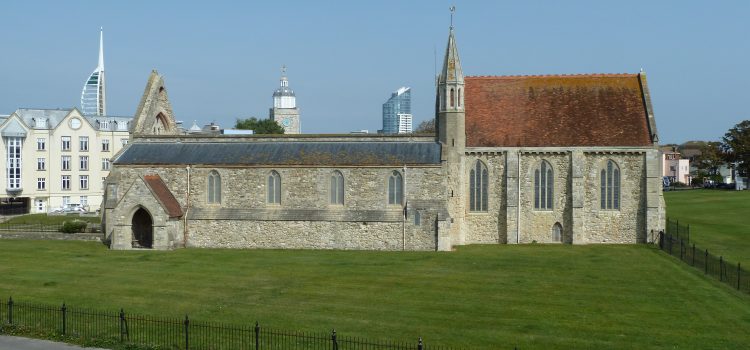
Garrison Church in Portsmouth is a lovely stop off on a sunny day. Built in the 13th century it has had a varied past. It has been used as a hospital, an ammunition store and was the location of Charles
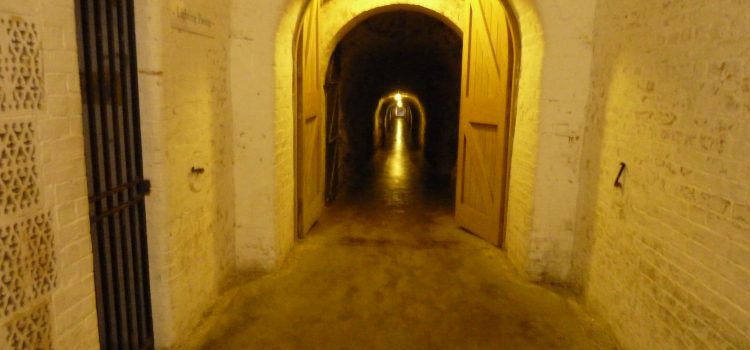
Fort Nelson is a restored Victorian fort set on 19 acres with ramparts, outer fortifications, secret underground tunnels and ammunition bunkers. At 1pm each day they fire a Second World War quick-firing 25-pounder field gun. This venue is quite different
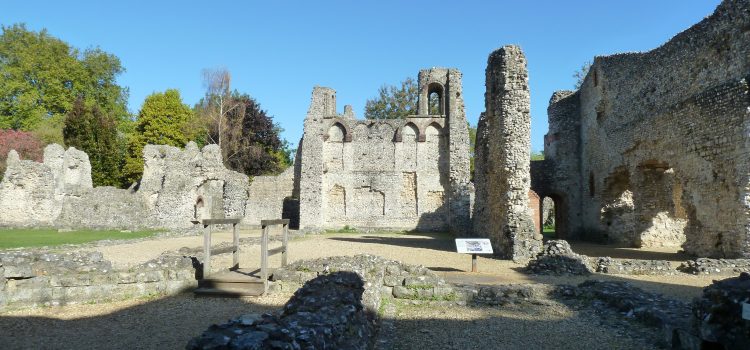
Wolvesey Castle was the medieval palace for the powerful and wealthy bishops of Winchester. Wolvesey became the residence for the bishops of Winchester in the late 10th century, however much of the buildings you’ll see are from the 12th century
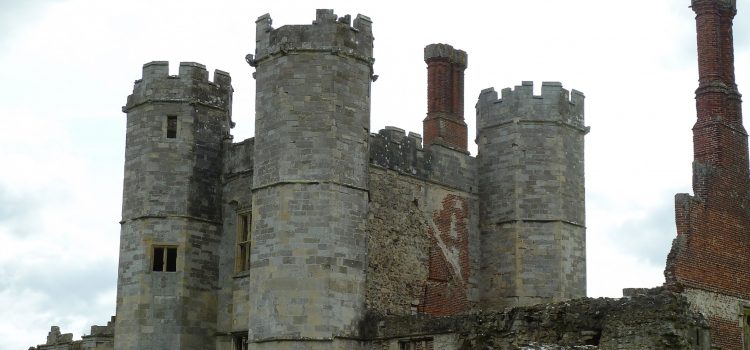
The original abbey dates back to 13th century, however most of the ruins you’ll see come from the conversion to an impressive mansion after the dissolution of 1537. Henry V famous for his win at Battle of Agincourt visited the
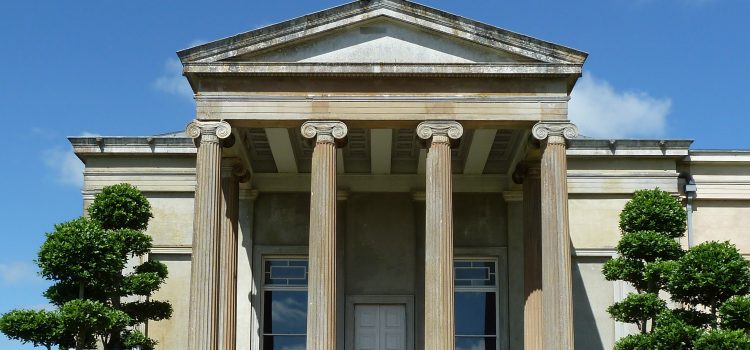
The original country house was updated to a mansion between 1664 and 1673. About a hundred years later the house was remodelled into the neoclassical mansion in the Greek Revival style we see today. The grounds and house are beautiful,
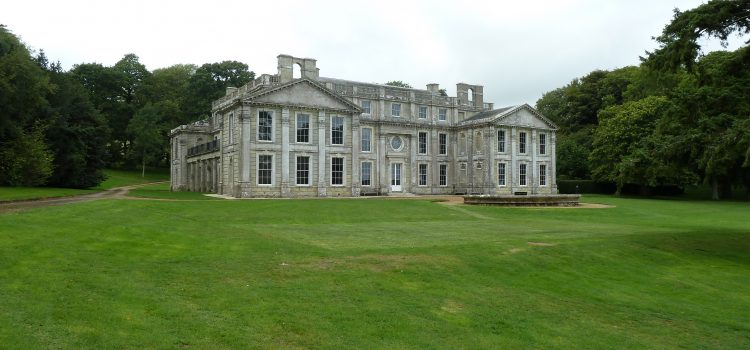
For over a century Appuldurcombe House was the finest on the entire island. The building we see today was started by Sir Robert Worsley in the early 18th century, and additional work was completed in the late 18th century by