
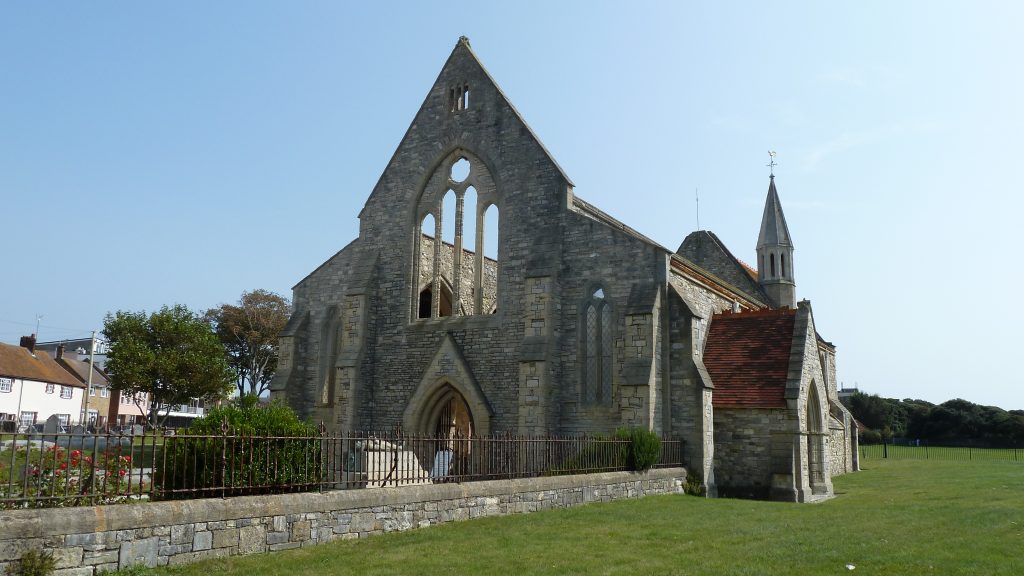
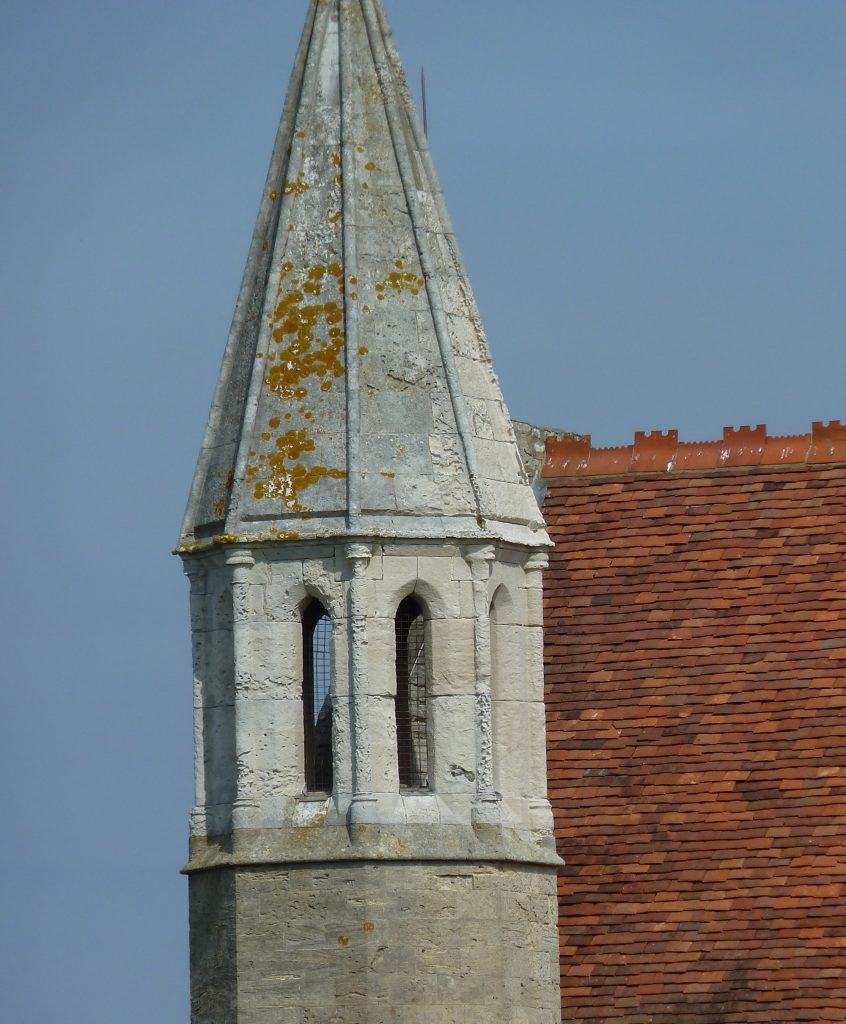
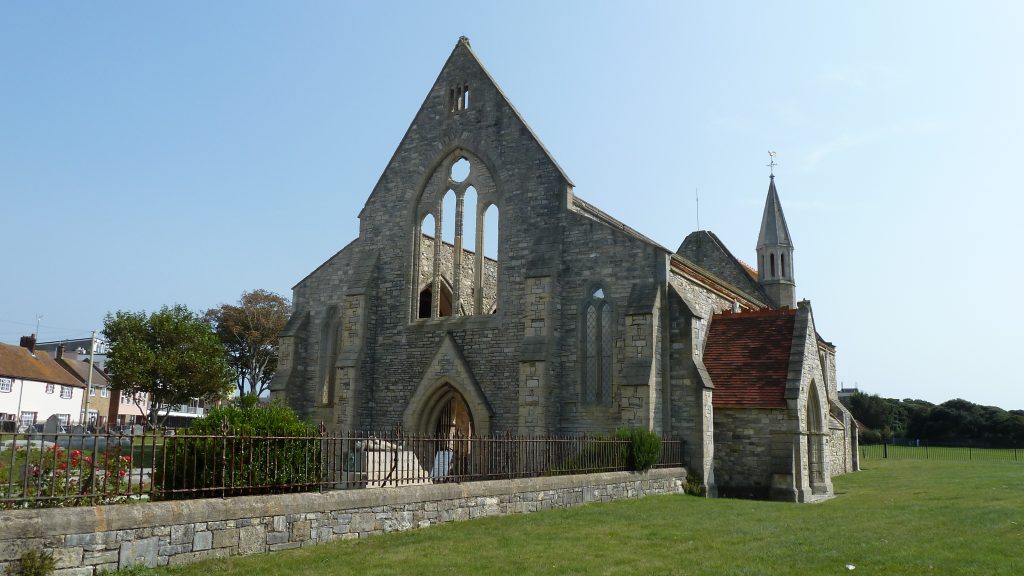
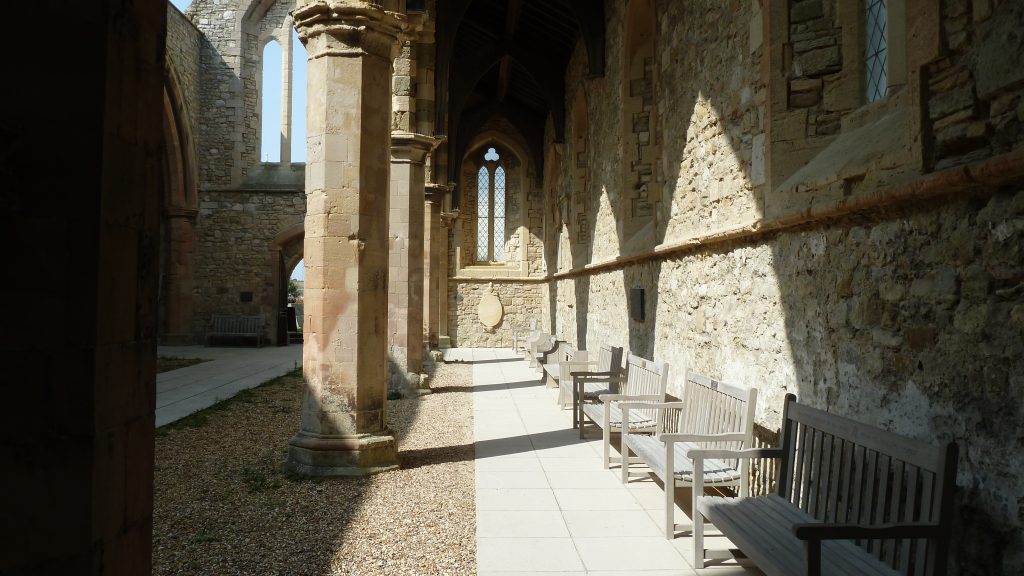
Garrison Church in Portsmouth is a lovely stop off on a sunny day. Built in the 13th century it has had a varied past. It has been used as a hospital, an ammunition store and was the location of Charles II marriage in 1662.
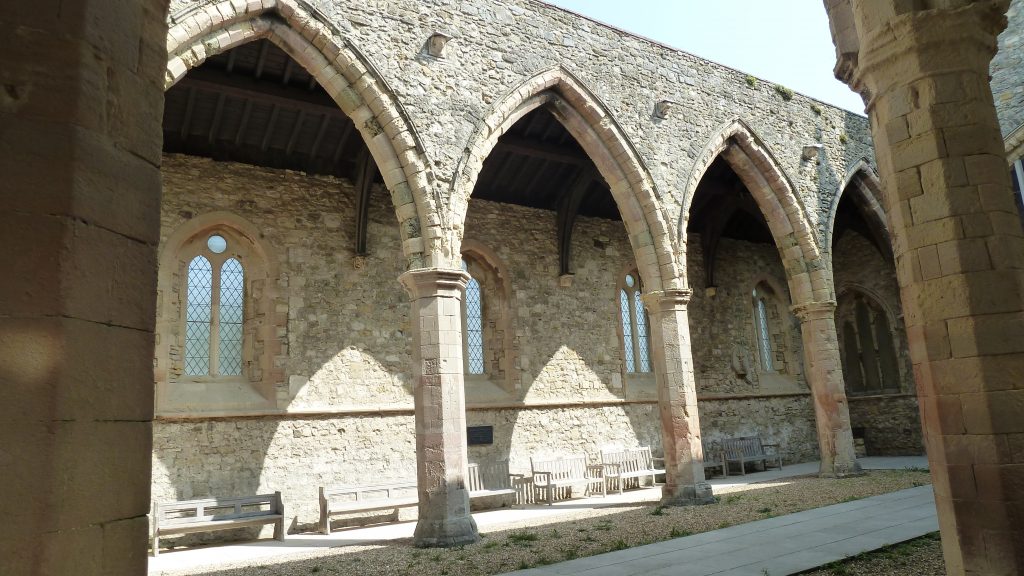
After the dissolution the church began to fall into disrepair, but in Elizabethan times there was a movement to build up Portsmouth’s defences and Garrison Church was restored. However in 1941 a bomb destroyed part of the church, but much remains intact.
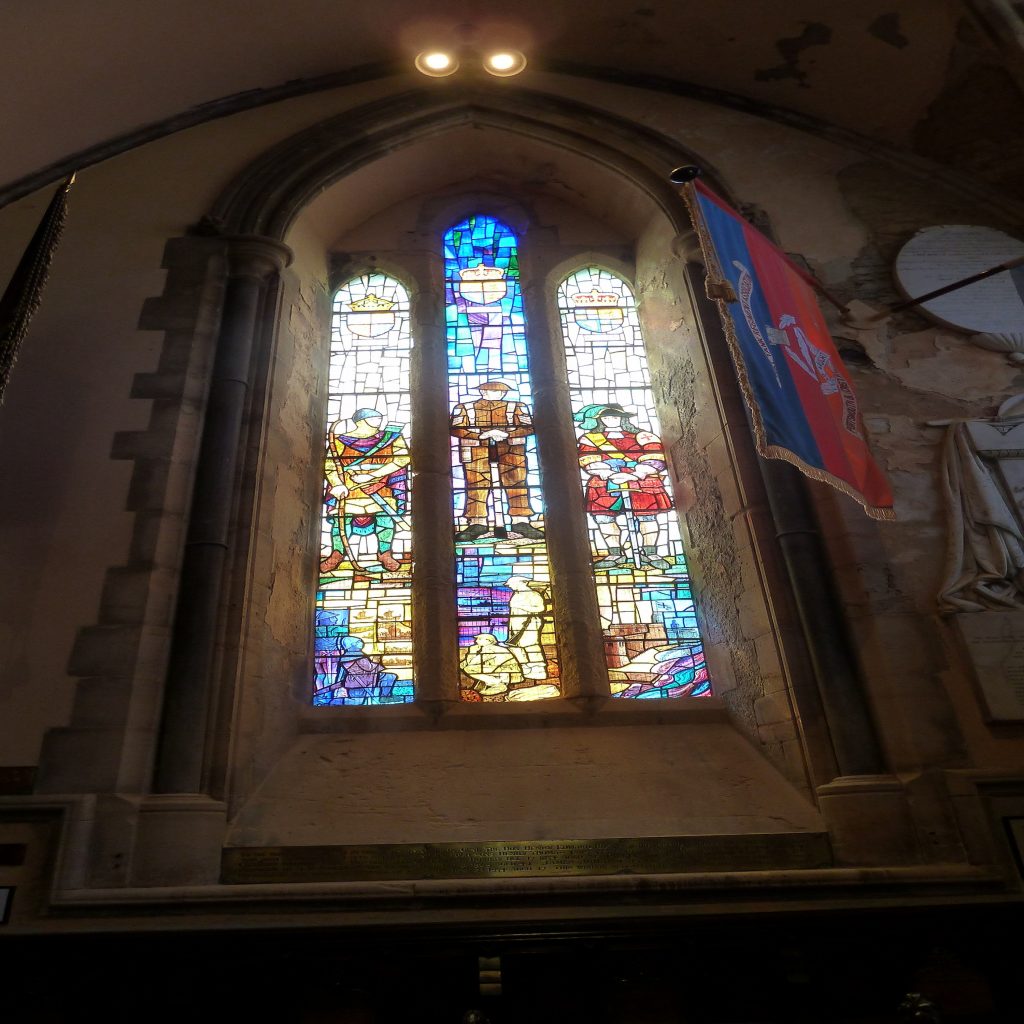
Since then much of the church has been restored. There is now a beautiful stain glass window depicting the history of this fascinating building.
Location – Portsmouth, Hampshire, PO1 2NJ. On Grand Parade south of High Street.
Opening Times – 11am-4pm, Tuesday to Saturday, from April until October
Parking – There is short stay, roadside parking adjacent to the Church. There is also a charged car park within a minute from the site.
Facilities – There are no facilities on site.
Access – Some of the site is wheelchair accessiable.
Dogs – Guide dogs only.
Safety – No concerns.
History of Garrison Church
Garrison Church was built in 1212 as a hostel for those on pilgrimage to Winchester, Canterbury or Chichester, together with a hospital for the sick of Portsmouth. Originally it was called Domus Dei.
It appears for a time the hostel and hospital ran as it should. There are reports that King John would have visited Domus Dei as he had many trips from Portsmouth.
From here until 17th century there are mixed reports of the church’s history. However it appears that a bishop was murdered outside the church.
In 1450 the former Bishop of Chichester, Adam Moleyns, was sent to Portsmouth, by the King, to reduce the payments to the naval seamen. The story goes that the shipmen were so unhappy that he was murdered outside Domus Dei. This resulted in Portsmouth being excommunicated for 50 years.
During the dissolution the religious buildings were seized by the crown and for some time it was used as an ammunition store.
In the late 16th century a mansion was built next to the church to house a military governor. Then in 1662 the mansion hosted the marriage of Charles II to Catherine of Braganza.
Unfortunately the mansion was ruined in the 19th century, but the church was refurbished.
Then in the 1940s the church was partly destroyed in an air raid. This blew out all the stained glass windows and completely destroyed the nave roof.
In the later 20th century the church received the stained glass windows we see today which depict the history of this fascinating building.