
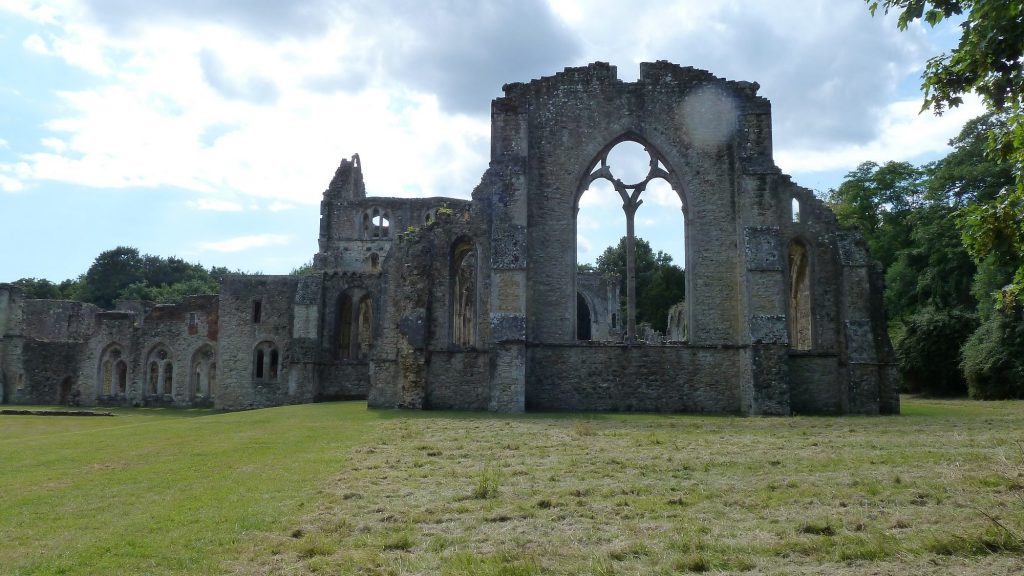
Netley Abbey is one of the most complete ruins of a Cistercian abbey in the south of England. It is over 800 years old, but it doesn’t take much imagination to see what the abbey was like in the 13th century.
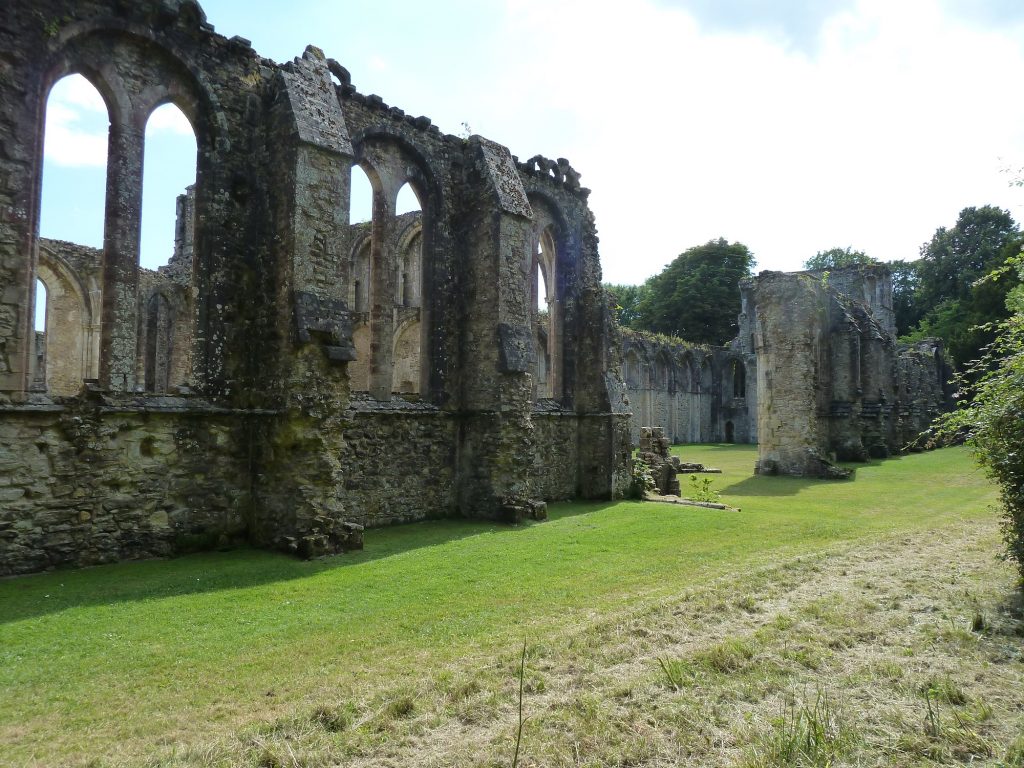
The remains are extensive and will allow for a good hour of exploring.
As you wander around the site you’ll see examples of the brick Tudor alterations. These changes were removed in the 19th century, to return Netley Abbey to its original design.


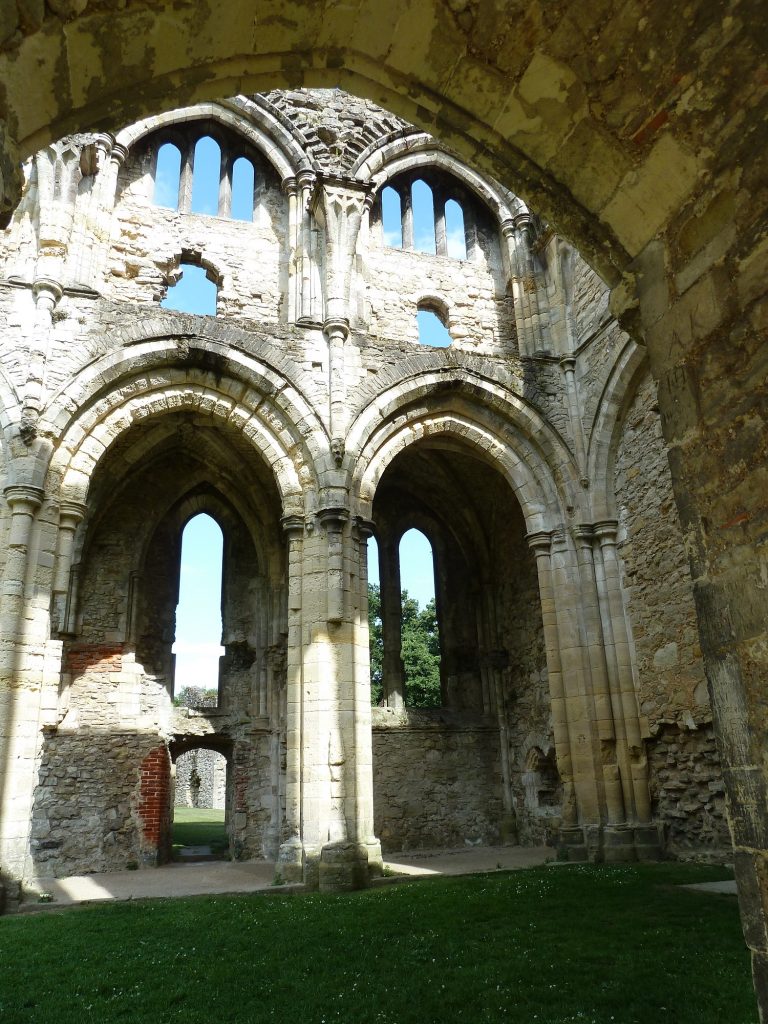
The abbey can get quite busy on a Sunday in the summer so you might enjoy this one more during the week, or off season at the weekend. A cold sunny winter’s day is a great option.
A game of hide and seek with the kids is fun here, or maybe follow in the footsteps of the 19th century artist John Constable and perch amongst the remains to sketch the abbey.
See below for more history of the abbey.

Location – Abbey Hill, Netley, Hampshire, SO31 5FB
Opening Times – 10am-4.30pm daily, from April until September. From October to March the site is open 10am-4pm at the weekend only.
Parking – There are limited spaces on site. However there is a car park nearby – the Abbey Hall Car Park. This is only a 5 minute walk from the abbey.
Facilities – There are no facilities on site, but there are toilets at the Abbey Hall Car Park.
Access – There are steps and uneven surfaces throughout the ruins, but wheelchair access is possible for most of the site.
Dogs – Dogs on leads are welcome at the abbey.
Safety – There are two wells that have a metal grates across the tops.
History of Netley Abbey – In 1238 the abbey was commissioned as a daughter abbey to Beaulieu Abbey, in the New Forest, by the Bishop of Winchester, Peter de Roches. Although the Bishop died that year the construction continued and in June 1239 a small group of monks left Beaulieu Abbey for Netley Abbey.
Once the building work had been completed Netley Abbey was an impressive site with a church, cloister, Abbots Lodging, Chapter House, together with the monks and the lay brothers dwellings. There are drawings of the monastery, as it would have appeared, on the information boards.
Henry III made several donations and by 1251 was regarded as a patron. If you look at the base of the transept piers you will find an inscription which reads ‘Henry, by the grace of God, King of England’.
For a time during the 14th century the abbey prospered, however they started to suffer financially and sold off large amounts of their land. The site originally went all the way down to Southampton Water.
It’s believed that the demands made on the abbey lead to its financial problems – mariners and sailors passing by could stop and demand shelter and food, also the King could request the abbey provisions.
In 1348 the Black Death hit Netley Abbey and it remained poor and struggling right up until the dissolution in 1536. At the time of the dissolution there were apparently only 7 monks at the abbey.
After the dissolution Henry VIII gave Netley Abbey to Sir William Paulet. Sir William was the 1st Marquess of Winchester and was the treasurer of the royal household. He undertook significant changes to the monastery, converting it into a grand Tudor residence.
You can see how the abbey was converted on the information boards.
A typical Tudor courtyard was created from the cloister. The monk’s refectory was completely removed and replaced with a turreted entrance. The church was converted into a great hall. The changes were mostly made with red brick and you can still see remains of this throughout the abbey.
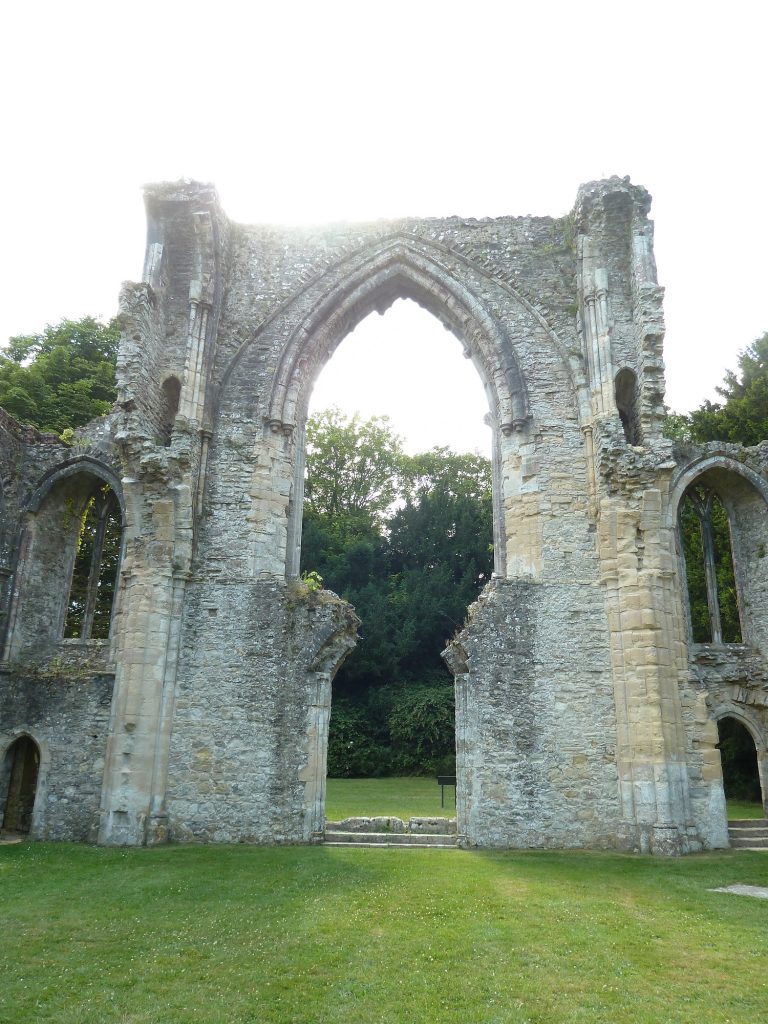
The Tudor mansion remained in the Paulet family until the 17th century when it was sold to a Southampton builder for materials. As the demolition began Netley Abbey had its reprieve in a rather unfortunate manner. A large section of the west window in the church collapsed and killed a demolition worker. The works ceased and Netley Abbey moved onto its next phase as a romantic ruin.
Now in private ownership the site became overgrown with ivy and trees. Artists, poets and writers came to Netley Abbey during the 18th century seeking inspiration. Jane Austen is believed to have visited Netley which lead to the creation of Northanger Abbey. The writer Thomas Gray wrote of the abbey and John Constable came to paint here.
Then in the 19th century the owner cleared the vegetation and overgrowth. The Abbey was returned to its original state of 1536 by removing the Tudor conversion. This is how we see Netley Abbey today.